Showing posts with label Definition. Show all posts

Tuesday, 4 November 2014

Definition - Contrast

Contrast: 
The state of being strikingly different from something else in juxtaposition or close association.

My own definition:
Comparing to show unlikeness or differences. 


In this picture, contrast is shown by using black and white to show the huge difference in the tones of the two colours. Because black and white contrast each other massively, the photographer decided to add two glasses of water, which both reflect a bit of the opposite colour on each of the backgrounds.


Colour has been used by the photographer in this picture to show contrast as all of the colours included in this picture are completely different to each other. The colours have been picked deliberately because they all stand out and also help each other to stand out due to the differences between them.


In this picture, the photographer has shown contrast by portraying the difference in age as well as size. A ring has also been added to emphasise on the age difference as this is the what the photographer wanted the viewer to focus on. Moreover, the wrinkles on the big hands contrast to the small hands with no wrinkles.


This picture contains two contrasting colours to show the difference between them. Although both fruits appear to be citric, the colour difference shows a huge contrast between them, making them appear extremely different to each other.

Wednesday, 22 October 2014

Definition - Portraiture

Portraiture: 
The art of painting or taking portraits.

My own definition:
Capturing the mood or expression of an individual.


In this picture, facial expression has been used to express the feelings on the person in the portrait. It is evident that this little girl is upset and this is shown to the viewer through the use of facial expression and use of lighting, as the light is directly on the girl's face, highlighting her expression.


This picture uses a prop to portray the personality of this person. The viewer can see that she's very girly and the colour red is used repeatedly to show off her femininity. Photographers can also use prop to achieve a successful portrait as shown in this picture.


The use of make up is also present in tho portrait. However, it's used for a different reason. The colour red is used to show danger in this picture and the photographer has only captured the person's face and not the neck/shoulder to create mystery.


In this picture, the photographer has zoomed in on the person's face to show off her eyes. Make up is used to further emphasise on this feature.

Monday, 20 October 2014

Definition - Shape

Shape: 
The external form, contours, or outline of someone or something.

My own definition:
The physical form of an object or someone. 


This picture shows the element of shape because the silhouette of the frog sharp and clear. The green background from the leaf contrasts with the black shape of the frog, showing it off even more. Using a silhouette is the best way to show shape as this outlines the form of the frog.


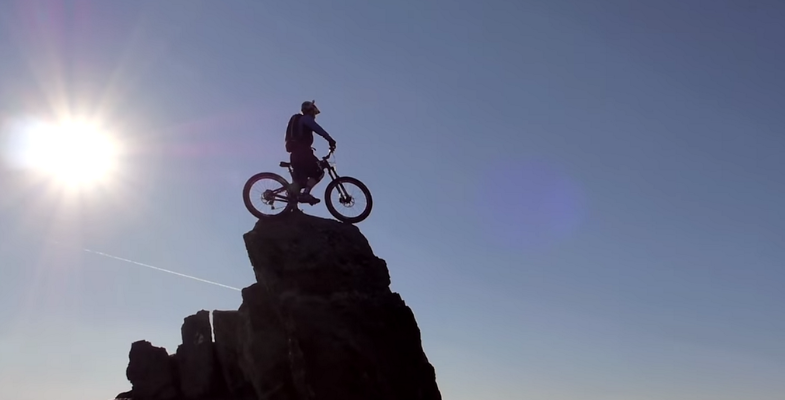
Another silhouette is used in his picture to show shape. The lighting of the sun enables us to see the the outline of the person on his bike clearly as the outline is quite sharp, making the details easier for the viewer to see. 


Unlike other pictures showing shape, this one has a dark background and the object is a bright colour,   not showing a silhouette. This still works because the clear contrast lets the viewer see the outline of the smoke clearly, making the shape easy to notice.


The element of shape is highlighted in this picture as the colour of the object contrasts with the background of the picture. The outline os the leaf stands out from the background so the shape can be seen clearly.

Sunday, 12 October 2014

Definition - Texture

Texture: 
The feel, appearance, or consistency of a surface or a substance.

My own definition:
The physical structure of a surface determining the way it feels.


In this picture, shadows are used to bring out the element of texture. The shadows are smooth an undisturbed; this gives the viewer the impression that the texture of the rocks are smooth and pleasant to touch, which is unexpected as the viewer would have most probably thought that the rocks would be rough.


The photographer has zoomed in on this picture, allowing the viewer to see the details of the fur. By looking at this, it is evident that the fur is smooth and well kept - this has been made clear by the close up that has been provided of this animal.


Once more, this picture has been zoomed into as the viewer can see the details and almost feel the soft material on their skin. A pattern is created by this material and this further allows the viewer to imagine what this would feel like if they touched it.


This picture has been edited and sharpened. The photographer has done this deliberately so that the viewer can feel the leaf in their hands. By sharpening the picture, the photographer has allowed the viewer to be able to see every detail of the leaf and making it seem more realistic to the viewer.

Definition - Movement

Movement: 
An act of moving.

My own definition:
The way something or someone moves and how fast or slow they do so.


This picture uses blurring to show the element of movement. By using this particular method, the photographer is able to show the direction and the speed of the movement made by the dancer. Also, because the blurring is quite smooth and curvy, the gracefulness of the dance is shown.


In this picture, the photographer has taken this photograph in the very moment that this event happened. He/She has been able to show just how fast this movement is by zooming in and by having the correct timing.


Blurring is also used in this picture for the background as well as the dog's legs. This creates an illusion and makes it seem like the dog is going even faster than it actually was because its' legs are blurry, the viewer thinks that he's moving way too fast for the photographer to be able to capture the legs.


Once more, blurring is used in this picture to show the element of movement. However, unlike the other pictures, blurring is used all the picture and this has been done so that the viewer can see how busy the underground is.

Wednesday, 1 October 2014

Definition - Tone

Tone: 
Refers to the lightness or darkness of something.


My own definition:
How dark or light a colour appears/the different shades of one colour.


Tone has been used in a particular way here; the picture has a dark tone around the edge and gets lighter as you move into the centre. This has been done to trigger feelings of mystery and curiosity in the viewer; the lighter tone is towards the end of this bridge/port, making the viewer wonder what could be so interesting at the end.


In this picture, tone has been used to give this picture a 3-dimensional feel. The lighter tones are only found on one side of the rocks and the darker tones on the other; this shows that the Sun is on the right and because the rocks are 3D, they're creating shadows.


The sky in this picture is a much lighter tone than the main focus, which is the Eiffel Tower. By doing this, the photographer gets the viewer to pay their full attention on the Eiffel Tower rather than the sky and the clouds.


This picture also shows the element of depth as well as tone; as you move your eyes along the picture, the tone eventually gets lighter. This forces the viewer to move their eyes to the ocean and creates an atmosphere of adventure for them.

Definition - Reflection

Reflection: 
The throwing back by a body or surface of light.


My own definition:
An virtual image seen in a mirror/shiny surface.


In this picture, reflection is used to hide half of the little girl's face but because it's been replaced by the reflection in the table, the viewer feels as if the picture is complete. This creates an illusion, which is often why reflection is used.


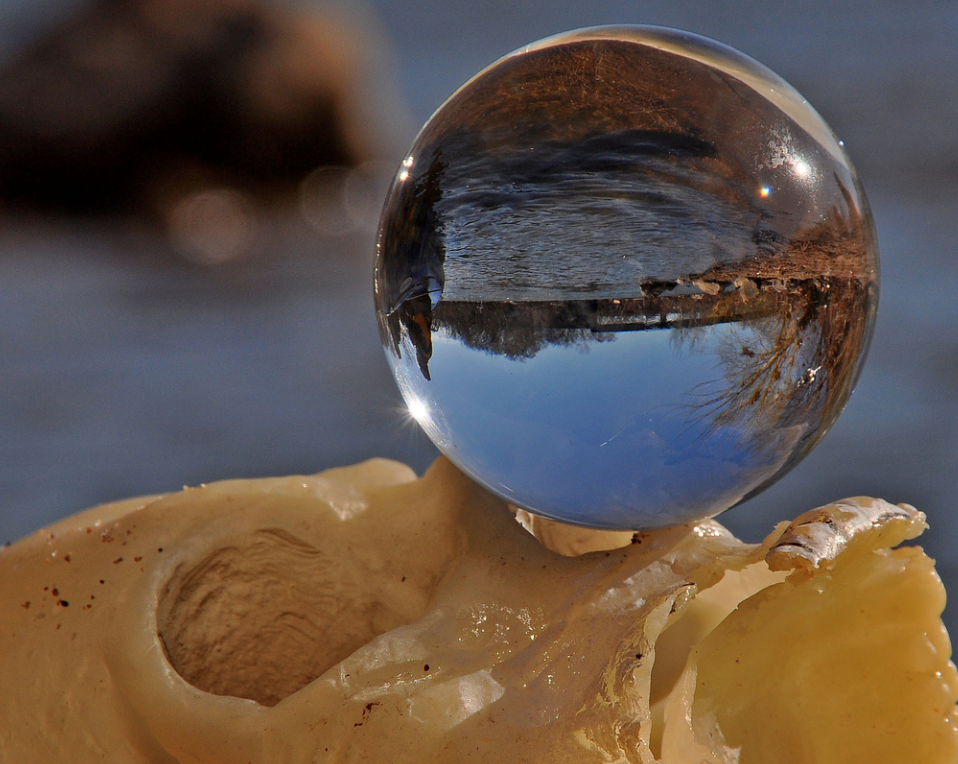
This picture shows the reflection of something that isn't in the picture, automatically create a mysterious atmosphere. The water drop looks like it's full because the reflection of the landscape is stretched and looks like it's about to burst, once again creating another illusion for the viewer.


Another illusion is created in this picture. The grass is reflected in the mirror, hiding the girl's body and making it seem as if she's incompletely. This makes her look like a magical creature, instead of a human being and this is further emphasised as she's hiding behind the mirror.


In this picture, reflection is used symmetrically as the building is reflected on the water. This creates a nice pattern along the water and because of the lights, the picture look attractive. Also, the reflection is an opaque one, making the pattern stronger and more effective.

Tuesday, 23 September 2014

Definition - Form

Form: 
The visible shape or configuration of something.


My own definition:

A specific shape or appearance of something. 


In this picture, form is shown by the black background and by the shadows in the collar bone. The shadows make the dent in the collar bone look much deeper than it really is, creating an illusion for the viewer. The black background makes the shape of the shoulders sharper and more defined.


The 3-dimensional element of this bench is exaggerated by the shadows being stretched due to the position of the Sun. Moreover, the Sun is shining directly onto the bench, making one side bright and the back of the bench dark; this further shows that the bench is 3D.


In this picture, the shadows of the dancers are bigger and the photographer has done this in order to show the importance of the dancers and the element of form. The shadow shows the dancers at an angle in which the viewer can not see in the photograph - this shows form because the viewer can see the dancers at different angles.


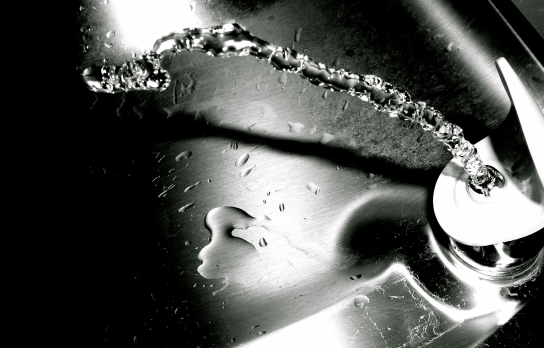
Form is a main element in this picture; shadows are found on the water coming out of the tap. By doing this, the photographer shows the viewer the shape of the water and highlights its 3-dimensional element. 

Saturday, 20 September 2014

Definition - Depth

Depth: 
The distance from the top or surface to the bottom of something.


My own definition:

How deep or long the length/width of an object is.


Depth can be shown by taking the photograph close to the bottom of the main focus; in this case, it's the ground. By putting the camera close to the ground, the buildings look more powerful, making the street look longer and emphasises its depth.


In this picture, the port seems to get smaller and smaller as you move your eyes from the bottom of the picture to the middle. This shows depth because it brings your eyes on a journey, making it seem long which puts even more stress on the depth of this scene.


The photographer who took this picture zoomed into this piano to make it look bigger. They have done this to show even more depth to this object - probably more depth that it actually has.


This picture has been blurred deliberately to accentuate the depth of this scene. By using this technique, the viewer is lead to believe that the background is too big to be sharp enough for them to see it clearly in the picture.

Friday, 19 September 2014

Definition - Patterns

Patterns: 
A regular and intelligible form or sequence discernible in the way in which something happens or is done.


My own definition:

An arrangement of lines, shapes, pictures, colour, etc which creates a repeated design.


This pattern is naturally made and by zooming into the flower, the two different patterns from the petals and from the centre of the flower are crisp and clear. The photographer has decided to only include half of the flower; he/she has done this so the scene isn't completely full with patterns and so they don't overdo the repetition of the patterns.


Patterns can also be use to create optical illusion as shown above. By playing around with the pattern and re-arranging it in certain ways, an illusion can be created to trick the viewer.


This pattern is irregular as the bowls are different sizes and not arranged in any particular order. By using bright colours for this pattern, the viewer is almost intrigued by this picture and it quickly grabs their attention.


The angles of a picture can also affect the pattern in the scene - the camera has been positioned in a way so that the matches created a pattern which is common but which most people wouldn't be familiar with because they would normally look at this pattern from a birds-eye view. 

Wednesday, 17 September 2014

Definition - Colours

Colours: 
The property possessed by an object of producing different sensations on the eye as a result of the way it reflects or emits light.


My own definition:

Light being reflected and emitted in certain ways; resulting in an attribute of things.


The background of this picture is a big contrast to the main focus, which in this case is the pot of plant. Using this method, the photographer was able to accentuate the pink petals and the dark green leaves.


This picture is particularly interesting because the piano is completely covered in paint - a range of colours are used in order to affect the viewer's mood and give off a playful atmosphere.


The colours in this picture are quite bright and neon. The dark grass is barely visible and this has been done deliberately so that viewers pay attention only to the jars and their contents. Also, as you move along the picture, the jars become like bright dots scattered all over and the variety of colours make this picture even more exciting.


The colours in this picture are limited on purpose to create a mysterious scene. The dark wall adds to this idea of suspense and by making the colours blurry, this picture gets more and more puzzling.

Monday, 15 September 2014

Definition - Lines

Lines: 
A thin continuous mark, as that made by a pen, pencil, or brush applied to a surface.


My own definition:

A pattern of marks which contain a length and direction.


The lines in this picture start from the corners and carry on to the point of interest, most probably where the photographer wanted the viewer to focus their attention on the scene. In this case, the lines end at what could perhaps symbolise the ending of some kind of tunnel. This allows the picture to give out a sense of mystery.


This picture contains irregular lines which aren't necessarily in a particular pattern. The lines are fairly sharp and not continuous - they seem to cut off quite suddenly; this portrays chaos and danger throughout the picture.


The photographer has deliberately taken this picture in this angle so that clear vertical lines are shown all around the edges. The leaves really make the trunks stand out, highlighting the length and direction of the lines. In this angle, the vertical lines display feelings of height.


Once again, feelings of height are also triggered in this picture as we can see how the buildings look gigantic and almost powerful. Lines are portrayed on the windows of the buildings, repeating a pattern from the bottom of the building to the very top.